

Learn how to build a reliable and safe skate shelter. From careful planning to selecting robust materials to integrating essential life support systems, this article guides you through the key steps to creating a safe haven in the event of a nuclear threat. Prepare effectively to protect what matters most.
Choosing the ideal place for shelter
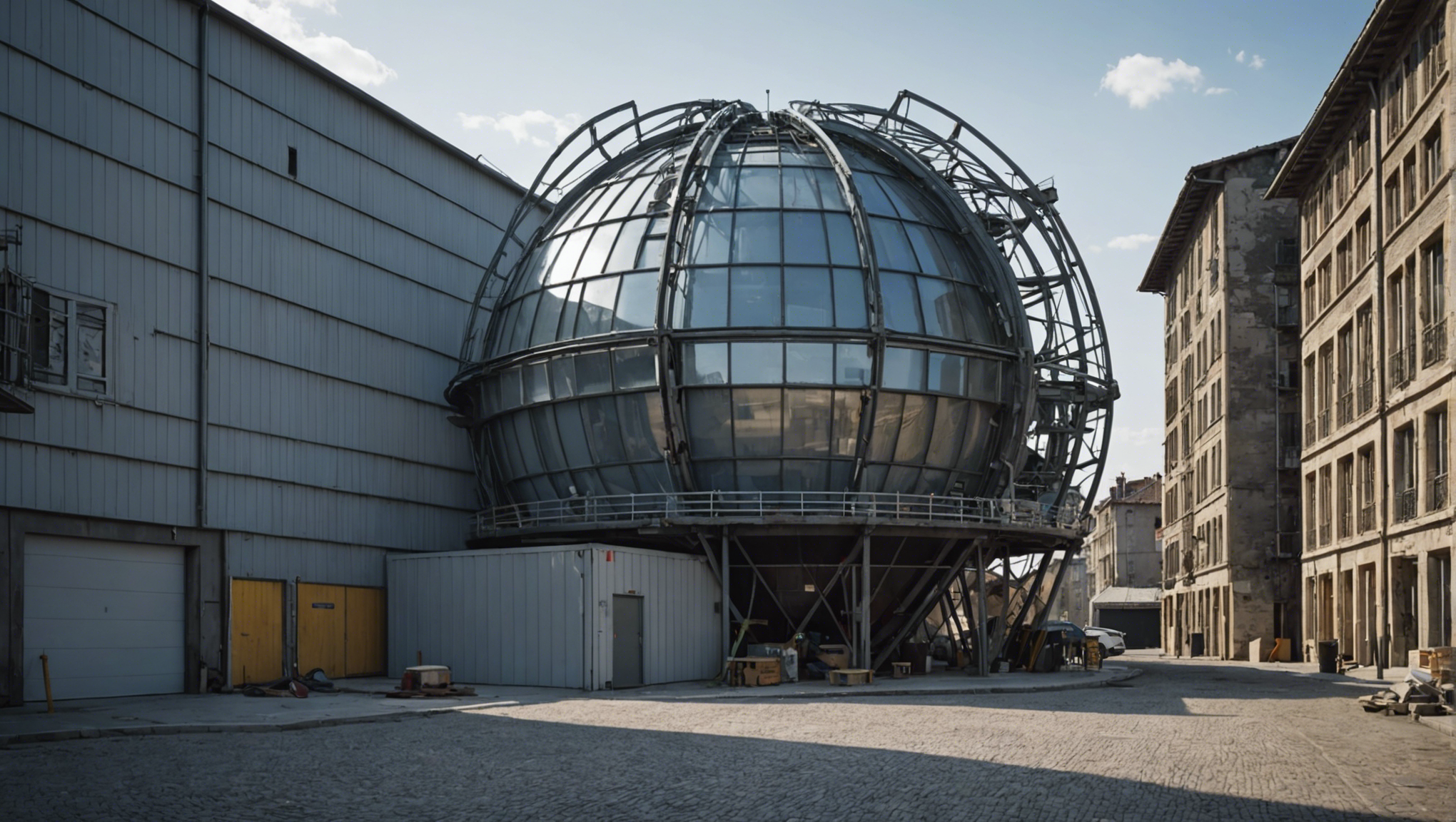
There choice of location is a critical step in designing a rain shelter. Many factors must be considered to ensure maximum safety and effectiveness of this type of structure in the event of a nuclear threat.
When deciding on a shelter, the first criterion to consider is close to the main residence. Ideally, shelter should be readily available within minutes, which is critical in emergency situations where every second counts. However, it must also be far enough away to avoid debris or other direct impacts in the event of a nearby explosion.
Another crucial element is terrain type. An elevated area with no risk of flooding is preferred. It is also important to check that the ground is stable and able to support the heavy structures required to slide. Geotechnical investigations can provide valuable information about soil composition and help determine the feasibility of building on a site.
It is important to remember distance from city centers or potential targets for nuclear attack. Shelters located in rural areas or far from large cities generally offer better protection against the direct and collateral effects of nuclear explosions.
There access to the facility infrastructure is also key. In a prolonged crisis situation, easy access to drinking water and other essential resources will be necessary. This includes the proximity of underground water sources or the possibility of implementing a water collection and purification system.
THAT’shelter orientation is an aspect that is often underestimated. A fallout shelter with a north-facing opening can reduce exposure to radiation passing through the atmosphere after a nuclear explosion, especially in the Northern Hemisphere.
Finally, we should consider local regulations. Before starting a construction project, it is necessary to comply with applicable laws and standards, which may include the need for building permits, inspections and compliance with seismic standards, depending on the region.
Analysis of these factors will ensure the optimal level of fall protection Safety and protection in the event of a nuclear disaster.
Frequently asked questions
1. What is the ideal distance between the skate shelter and the main residence?
– It is recommended that the shelter be close enough for quick access, but far enough to avoid direct collisions in the event of an explosion nearby. A distance of several tens to hundreds of meters is often suggested, depending on the configuration of the terrain and other surrounding buildings.
2. How do you determine if the land is suitable for building a slide?
– A geotechnical investigation is necessary to assess the stability and composition of the soil. A geotechnical engineer can analyze the soil’s ability to support heavy structures and recommend necessary foundations or reinforcement.
3. Is it better to build an ice rink in an urban or rural area?
– Building a shelter in a rural area is generally preferable because it reduces the risk of direct exposure to the effects of a nuclear explosion. Urban areas are often potential targets and may be more vulnerable to collateral damage.
Autres Articles de Survie en Relation

Determine the right building materials
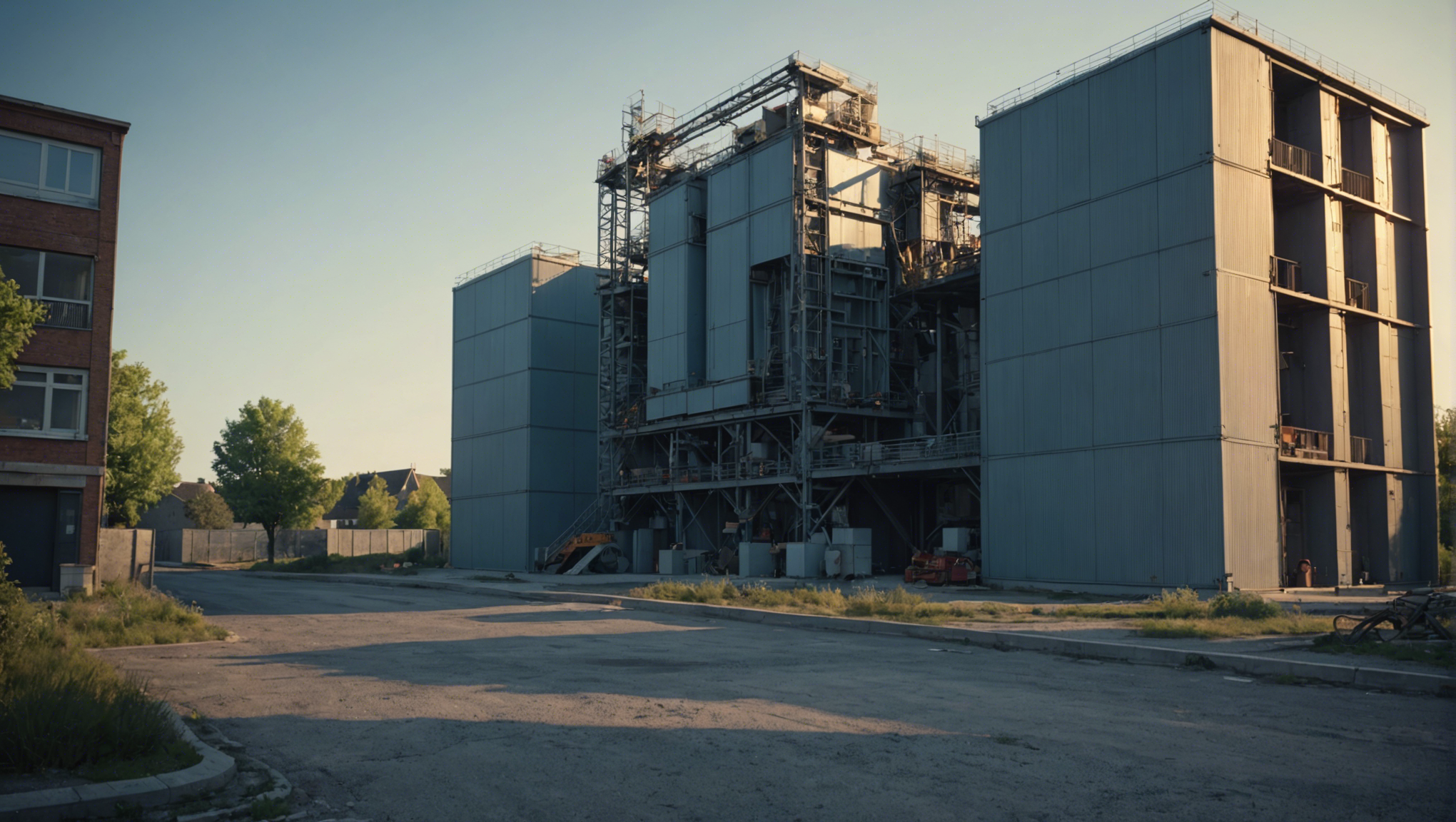
Construction a rain shelter requires careful selection of materials to ensure safety, durability and effectiveness against the effects of a nuclear attack. Materials must meet strict radiation and impact resistance criteria and be waterproof to maintain a sustainable environment in the shelter.
The materials used must possess qualities such as high density and stable molecular composition to effectively block ionizing radiation. Commonly used materials include:
- Reinforced concrete : It provides excellent protection against radiation due to its high density and the ability to be shaped into different shapes. The presence of steel reinforcing bars improves impact resistance.
- to lead : Often used in additional layers due to its effectiveness in blocking gamma rays and other forms of hazardous radiation.
- Iron : Required for shelter construction and reinforcement of armored doors and windows, steel also provides additional radiation protection.
These materials must be used according to very precise specifications to maximize their effectiveness. The construction must be watertight without construction defects to avoid the penetration of external contaminants.
Advanced material selection and safety innovations
In addition to traditional materials, research and development have enabled the use of innovative solutions to enhance safety in fire shelters. Innovations such as carbon fiber composite and technical ceramics are beginning to be considered for their lightness and strong resistance to extreme temperatures and impacts.
The use of these advanced materials can significantly increase the cost of construction, but in return provides a significant improvement in the protection and durability of the structure. The interface of these new materials with traditional solutions requires in-depth study to ensure their safe and effective integration.
Frequently asked questions about skates and their construction materials
What is the recommended wall thickness for shelters?
The general standard recommends walls of at least 30 cm of reinforced concrete. However, this thickness may vary depending on local standards and the intensity of the anticipated threat.
Is it safe to use lead when building a slide shelter?
Although lead is very effective at stopping radiation, its use must be cautious because of its potential toxicity. It is often used in combination with other materials and encapsulated to avoid any risk of contamination.
Can we use organic materials in the construction of a non-slip shelter?
It is possible to integrate green materials such as bio-source insulation as long as they do not compromise the structural integrity and radiation protection of the shelter. Each material must be assessed for its ability to withstand the extreme conditions of a nuclear attack.
Autres Articles de Survie en Relation

Plan the layout of the shelter
Construction a rain shelter it requires careful planning, especially when it comes to interior design. This space must be designed to maximize safety, comfort and efficiency in the event of prolonged closure. Each component of this layout must meet strict standards for robustness and functionality.
Space optimization and ergonomics
Space optimization is the key in one rain shelter. Every square meter must be used sensibly to ensure a livable and organized environment. It is recommended to provide designated areas for rest, meal preparation and relaxation activities. Modular furniture, such as Murphy beds or folding tables, are particularly suitable for increasing the available space without compromising on comfort.
Choice of materials and equipment
Choice of interior materials a rain shelter they must focus on endurance and strength. The surfaces must be easy to clean and resistant to pathogens and corrosion. The predominant choice is stainless steel for kitchen equipment and surfaces and reinforced concrete for walls. It is necessary to integrate a robust ventilation system to maintain adequate air quality as well as safe and adequate electrical and plumbing installations.
Storage and management of resources
Resource management in one rain shelter includes intelligent storage and extending the life of stored products. It is important to provide special storage areas for food, water, medicine and other essential supplies. Stock rotation systems and temperature and humidity control units are essential to maintain quality and resource utilization over time.
Safety considerations and environmental control
AND rain shelter it must be equipped to handle a range of external threats, including radioactive contamination, chemical attacks and extreme climates. A military-grade air filtration system, devices to monitor radiation and chemical levels, and reinforced walls and doors are key to ensuring maximum protection. Planning should also include climate control systems to maintain a stable and comfortable environment in the shelter.
Frequently asked questions
What is the recommended time to store food in a non-slip cover?
It is recommended to store enough food for a minimum of two weeks to a month, depending on the capacity of the shelter and the number of people to be fed.
How do you ensure sufficient air circulation in the skid protection?
The installation of a mechanical ventilation system that can filter pathogens and harmful particles is essential to maintaining healthy air quality.
What safety criteria should be considered when designing a slide shelter?
The criteria include impact resistance, protection against radiation and chemical agents, safe access and robustness of life support systems.
Ensure effective ventilation
There ventilation One rain shelter it is essential for survival in emergency situations. A proper ventilation system not only provides fresh air to passengers, but also filters out potentially dangerous pollutants such as radioactive particles. It is important to understand the various mechanisms and solutions available to maintain a healthy underground environment.
The most important components of the ventilation system
An effective ventilation system in a ski shelter relies on several key components. First, HEPA air filters and active carbon filters they are necessary to clean the air from small particles and harmful gases. Second, the system mechanical ventilation it must exist to ensure a continuous supply of fresh air and a drain of old air.
It is also important to integrate an emergency system, on batteries or generators, to maintain functionality in the event of a power failure. In addition, ventilation ducts must be designed to be impact and infiltration resistant to maintain the integrity of the shelter even in the event of an attack or natural disaster.
Installation and maintenance
The installation of the ventilation system in the ski shelter must be carried out by qualified professionals to ensure that the installation meets the highest safety standards. Periodic checks are recommended to check the condition of the filters and the correct operation of the mechanical system. This is important to avoid the risk of failure when the system is most needed.
Preventive maintenance should include replacement filters and checking connections and pipes for leaks that could compromise air quality. Particular attention must be paid to signs of wear or damage caused by external environmental factors.
Innovative solutions for ventilation of shelters
Faced with technological advances, new solutions are emerging to improve ventilation in non-slip shelters. Use solar technologies powering fans and filtration systems is a sustainable and reliable option that reduces dependence on fossil fuels.
Other innovations include automatic systems that regulate airflow based on the number of people in the shelter, maximizing energy efficiency while ensuring a safe and ventilated environment. These technologies offer increased customization and customization options to meet the specific needs of each rink.
Provide a water and food supply system
Installation of a Water supply system and food in one rain shelter it is crucial to ensure long-term survival in the event of a nuclear disaster. This implies the implementation of permanent and reliable solutions that enable maximum autonomy.
Optimization of water supply
In the design of shelters against sliding, water is the most critical resource. It is imperative to establish a system that guarantees a sufficient amount of drinking water. Two main strategies can be adopted:
- Water filtration : Installation of advanced filtration systems capable of purifying water from potentially contaminated sources. These systems should include particulate filters, activated carbon filters and ideally ultraviolet disinfection devices.
- Water storage : Creation of water tanks that can hold several months or even years of drinking water reserves. Tank size should be based on the number of users and estimated daily consumption.
It is recommended to regularly check the quality of stored water and maintain a clean and safe environment to avoid contamination.
Management of food supply
Food, like water, must be carefully planned to ensure adequate supplies for long-term users. The following aspects must be taken into account:
- Choice of food : Choose non-perishable foods such as canned, freeze-dried or dehydrated foods. These products have the advantage of a long shelf life and do not require refrigeration.
- Inventory management : Organize an accurate inventory and implement a stock rotation system to avoid food waste. It is also crucial to balance the nutritional needs of travellers, ensuring adequate intake of calories, vitamins and minerals.
- Production capacity : Consider integrating hydroponic or aquaponic growing systems that can produce vegetables and animal proteins such as fish, thus providing a sustainable food source.
Careful planning of the food supply helps maintain the morale and health of residents, key elements in a situation of prolonged isolation.
Frequently asked questions
1. How long can water be stored in a slide shelter?
Water can be stored for a long time, but it is recommended to change it every 6 to 12 months to ensure its drinkability.
2. Which foods are best for long-term storage?
Freeze-dried and dehydrated food is excellent for long-term storage because it provides stability and does not require refrigeration. Canned food is also a viable option.
3. Can we rely solely on hydroponics for food in the skate shelter?
Although hydroponics is an excellent method of supplementing your food supply, it should not be the only source. It is also recommended that you have a significant amount of food stored to ensure food safety.
Make sure the cover is waterproof
Importance perfect seal To rain shelter cannot be underestimated. This function is essential for protection against external agents, such as nuclear radiation or biological and chemical contaminants. To ensure optimal safety, various important aspects must be taken into account when designing and maintaining the waterproofing of such a shelter.
Building materials and techniques
The choice of material plays a big role in the effectiveness of waterproofing rain shelter. Materials such as reinforced concrete and steel are often used due to their high strength and ability to block a wide range of radiation. In addition to the choice of materials, the construction technique must also ensure the perfect placement of the elements to avoid possible errors.
- Use of special construction materials that are resistant to radiation.
- Application of waterproof coatings to protect structures from moisture and other corrosive agents.
- Integration of hermetic ventilation systems that prevent the ingress of contaminated air and at the same time enable sufficient air circulation in the closed space.
Checking and maintaining tightness
Oncerain shelter Engineered, regular leakage control is essential to ensure that the level of protection remains optimal. Inspections should include pressure testing to detect potential leaks and a structural integrity review to identify areas requiring repair.
- Run smoke tests to locate invisible vulnerabilities.
- Check the condition of the joints and waterproofing.
- Schedule regular checkups by qualified professionals.
Frequently asked questions
What is the best practice for making a waterproof shelter?
The selection of strong materials, the use of radiation-tight joints, the performance of regular tightness tests and the careful application of appropriate construction techniques are key.
How to detect a leak in the sliding cover?
Smoke tests and regular visual inspections are effective methods of identifying potential seal failures. Pressure testing can also help detect air leaks that compromise containment integrity.
Is it possible to strengthen the waterproofing of the existing shelter?
Yes, improvements can be made by reinforcing joints, applying additional coatings and improving ventilation systems to ensure they are airtight.
Provide means of communication and emergencies
In connection with the nuclear threat, ways of communicating and emergency equipment are essential to ensure passenger safety and survival rain shelter. Taking appropriate measures in terms of planning and equipment is essential to maintaining connectivity to the outside world and guaranteeing sufficient autonomy in the event of a prolonged crisis.
Communication in the skid protection
The choice of communication devices should be guided by their effectiveness in an isolation situation. It is important to choose equipment that can work despite electromagnetic interference or blockages caused by radiation. Options include:
- Shortwave radio : Makes it possible to receive and send information over long distances without relying on traditional communication networks.
- Satellite systems : Provides reliable and global connectivity, ideal for informing about government directives and maintaining contact with the outside world.
- Satellite phones : Although expensive, they provide effective communication in the absence of cellular or terrestrial networks.
It is also wise to provide internal communication systems such as DOOR, to facilitate communication between different rooms or levels in the shelter.
Emergency and life-saving equipment
In addition to communication, the shelter must be equipped with the necessary emergency equipment to ensure long-term survival. This includes:
- Air filtration systems : Necessary to clean the air of potentially radioactive or toxic particles.
- Backup generators : Necessary to maintain vital equipment and lighting in operation in the event of a prolonged power outage.
- Medical equipment : Must be comprehensive and include supplies to treat minor injuries and major medical emergencies.
Installation of the system water purification and long-term food supplies are also essential to ensure shelter residents’ autonomy.
Regular testing and maintenance
The reliability of emergency communication systems and equipment is essential. It is imperative to do so regular tests and follows a strict schedule maintenance to ensure that they function properly at a crucial time. It is also necessary to ensure that all residents of the shelter are familiar with the operation of communication equipment and emergency procedures.
QUESTIONS:
- How long will the supplies last at the skate shelter?
- How to effectively test communication equipment in a skating rink?
- What are the criteria for choosing a slide generator?
Stages of the construction of the anti-skid shelter itself
Construction a rain shelter it requires a methodical and technically robust approach to ensure safety and durability. It is important to understand each step and apply best practices during the construction process.
Choice of location
The first criterion to be taken into account is the choice of location. It should be chosen strategically to minimize exposure to external threats while being easily accessible in the event of an emergency. Ideally, the location should be under or in close proximity to the main residence, allowing quick and safe access.
Design and plans
Once the location has been determined, the planning phase can begin. This phase is crucial because it defines the dimensions of the shelter, the materials to be used, the ventilation systems, the power supply and the storage of supplies. The use of materials resistant to radiation and shock, such as reinforced concrete or specially treated steel, is essential.
- Suitable dimensions for the expected number of users
- Including air filtration and water management systems
- Anticipation of long-term storage needs
Excavation and reinforcement of the structure
Once the plans are approved, digging can begin. Excavation must be carried out while maintaining a safety margin to avoid collapse or other structural hazards. The walls, floor and ceiling of the shelter must be reinforced. The reinforcement method will depend on the materials used and may include the installation of steel beams, precast concrete slabs or other structural elements that provide resistance to external pressure and radiation.
Internal systems
Basic systems include ventilation, electricity, heating and sanitation. Air quality must be maintained by filtration systems that can remove pollutants and radioactive particles. Auxiliary solutions, such as autonomous power generators, are also needed to guarantee the continuous operation of these vital systems, even in the event of a power cut.
Examination and completion
Before a shelter is declared operational, a series of tests must be performed to ensure that all systems are working properly and that the structure itself is safe and secure. This includes structural strength tests, attack simulations and checks of internal life systems. This is also a good time to check that all necessary supplies such as food, water and medicine are in place and in good condition.
Frequently asked questions about shelter construction
What are the costs associated with building a roller coaster?
Costs can vary greatly depending on the size of the shelter, the materials used, the complexity of the internal systems and the location. However, it is important not to compromise quality for financial savings given the importance of shelter security.
How long does it take to build a ski shelter?
The duration of construction can vary from several months to a year, depending on the complexity of the project and the environmental conditions of the location.
Is it possible to build an ice rink on any kind of terrain?
No, the type of terrain is a decisive factor for the possibility of building a shelter. Soil investigations and geotechnical assessments are essential to determine whether the soil is suitable.
Which French and European companies sell non-slip canopies?
In a world where security concerns are on the rise, shelters are proving to be an increasingly popular solution for those who want to ensure optimal protection in the event of a nuclear threat. In France and Europe, several companies specialize in the design and sale of these highly secure structures.
THAT French companies as Shelter Plus they stand out by offering tailor-made solutions that especially meet strict European safety standards. These shelters, designed from superior materials such as reinforced concrete or reinforced steel, guarantee optimal resistance in the event of an explosion or high radioactivity.
On a European level, companies such as Safecore in Germany and Nuclear shelter Europe in the Netherlands expands the available options with different models, from residential to industrial-sized solutions. These companies use cutting-edge technologies to ensure waterproofing, air filtration and structural strength of their shelters.
It is important to note that the purchase of a non-slip canopy must be accompanied by a strict check of certificates and standards that each manufacturer must meet. ISO standards and IAEA (International Atomic Energy Agency) guidelines are benchmarks in this area, ensuring that shelters can provide the expected level of protection.
It is important to consider impact resistance, air and water filtration capacity as well as compliance with international safety standards.
Prices vary considerably depending on the size, the materials used and the level of sophistication of the integrated systems. The costs can vary from several thousand to several hundred thousand euros.
Regular maintenance should include checking ventilation systems, structure and closures to ensure that the shelter remains functional at all times.
